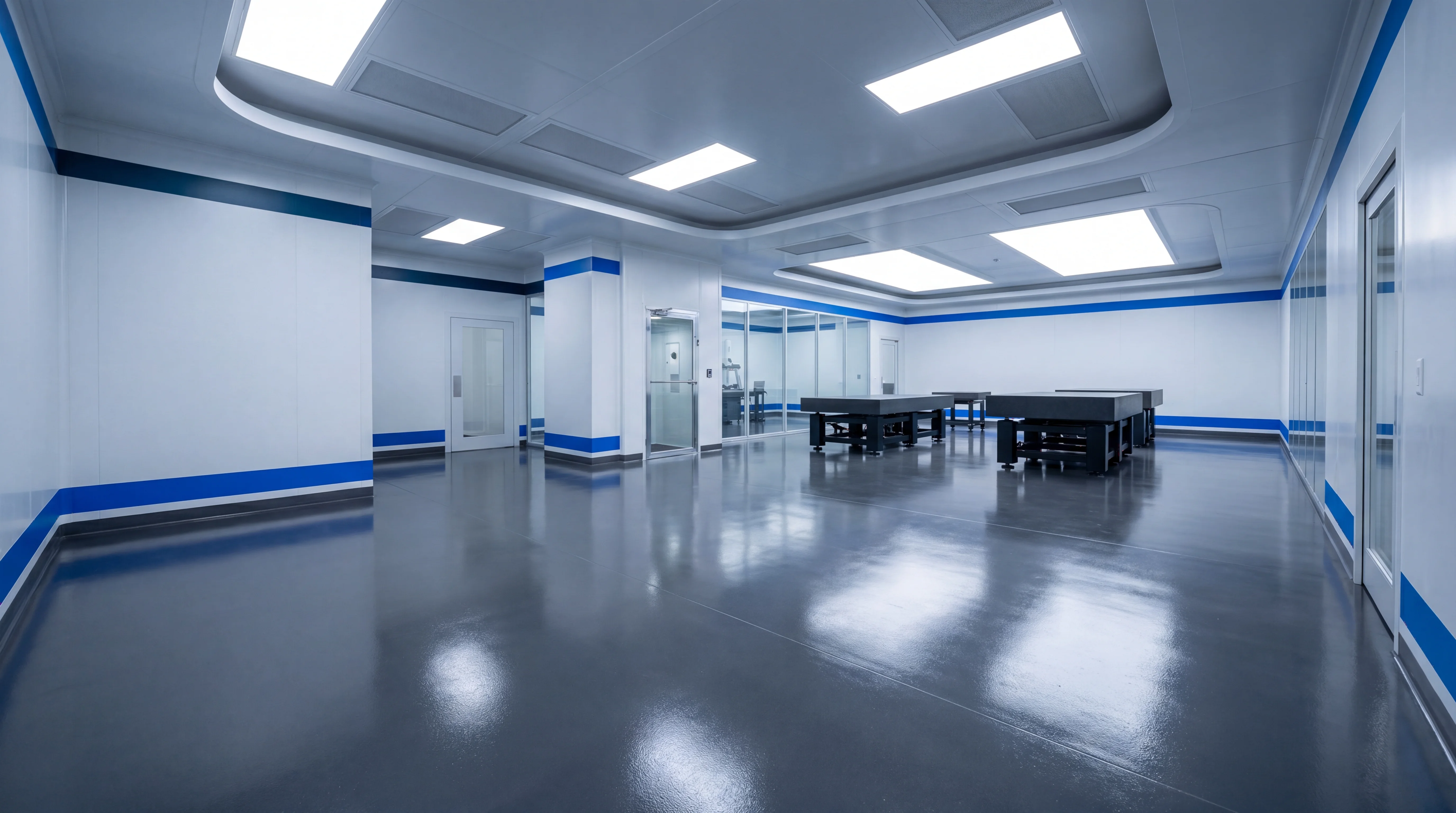
Submit Equipment and Standard
Your CMM make/model, current calibration interval, and the standard required (ISO 10360-2 / -5 or ASME B89.4.10360.2) are submitted through a single request form. ZIP code and equipment family scope the response.
Calibration is performed by accredited laboratories under ISO 10360-2 / -5 acceptance testing.
One form. An itemized quote is returned within one business day.
Calibration is performed by laboratories holding active ISO/IEC 17025 accreditation against the relevant CMM scope. Standard selection follows the equipment family and the buyer's downstream audit framework — AS9100, IATF 16949, ISO 9001.
ISO 10360-2 (E0 length), ISO 10360-5 (probing), and ASME B89.4.10360.2 cover the headline acceptance criteria for bridge, gantry, and horizontal-arm CMMs. ASME B89.4.22 and ISO 10360-12 govern articulated-arm machines.
Coverage is performed under ISO 10360 and ASME B89 acceptance criteria, across every major CMM topology and operating mode.
The headline capability — performed at your facility or in a temperature-controlled laboratory, under the standard your audit requires.
Field-service calibration performed at the customer facility using portable artifact sets (swift-check gauge, ball plate, ball-and-cone artifact, end bar, length gauge blocks, KOBA step gauge, reference sphere).
Length-measurement performance test (size and length error E0, EL, repeatability R0) using step gauge, ISO 3650 gauge blocks, ball bar, and laser interferometer; the headline acceptance test for bridge and gantry CMMs.
Moveable-bridge and moveable-table / fixed-bridge configurations - the most common CMM topology across general manufacturing and quality labs.
Hand-driven operation.
Default cadence covering the ISO 10360-2 (MPE_E) and ISO 10360-5 (MPE_P) acceptance and reverification cycle, including the 5-block MPE_E gauge-block verification and reference-test-sphere probing test.
Headline output of an ISO 10360-2 calibration.
Uncalibrated and calibrated / traceable archival ball bars, length-standard ball bars, and Renishaw QC20 telescoping ballbars; 20-position volumetric performance test.
Submit one form. An itemized quote covering scope, turnaround, and pricing is returned within one business day.
Standards, equipment types, performance parameters, and reference methods — the four axes that define a CMM calibration deliverable.
CMM acceptance and reverification testing is performed under the ISO 10360 family and ASME B89.4.10360.2. The combination of length-measurement (E0) and probing (P) acceptance tests covers the headline performance characterization expected by quality auditors and OEMs.
Standard selection is dictated by the equipment family being calibrated and the buyer's downstream audit requirements (AS9100, IATF 16949, ISO 9001).
Calibration is performed across all major CMM topologies: bridge, gantry, horizontal-arm, and portable / articulated-arm machines. The artifact set deployed is matched to the equipment family and envelope coverage required.
A full calibration cycle characterizes volumetric accuracy (ISO 10360-2 MPE_E), probing performance (ISO 10360-5 MPE_P), and — where the customer requires it — 21-parameter parametric error mapping via laser interferometer.
Method selection follows the standard chosen and the CMM's measurement envelope. Laser interferometers, step gauges, ball plates, ball bars, and reference spheres are deployed as required.
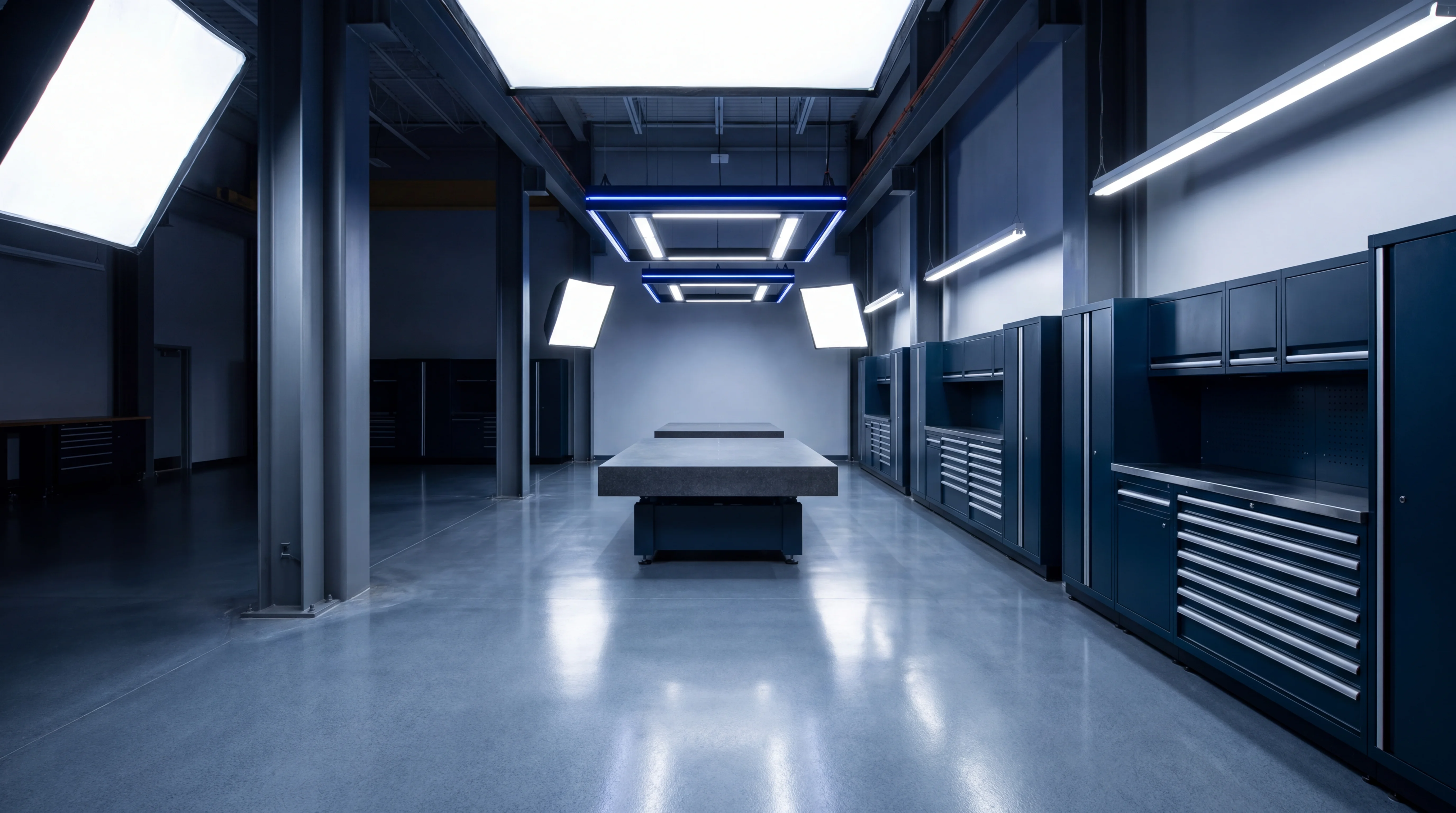
A single request — equipment family, ZIP code, standard required, on-site or in-laboratory preference — is scoped against the artifact set and envelope coverage required for the job.
An itemized quote covering scope, turnaround, and pricing is returned directly. Work is performed at your facility or in a temperature-controlled metrology laboratory at 20 ± 1 °C with a 24-hour soak. A full calibration certificate is issued — as-found / as-left data, MPE_E and MPE_P verification, environmental log, and uncertainty budget traceable to NIST reference standards.
Request → scope → quote → calibrate. Quotes are returned within one business day; calibration scheduling is confirmed once the quote is accepted.
Your CMM make/model, current calibration interval, and the standard required (ISO 10360-2 / -5 or ASME B89.4.10360.2) are submitted through a single request form. ZIP code and equipment family scope the response.
Artifact set, on-site or in-laboratory delivery, and standard coverage are confirmed against the equipment family before scheduling.
An itemized quote covering scope, turnaround, and a calibration date is returned within one business day.
Work is performed on-site at your facility or in a temperature-controlled metrology laboratory. Artifact set and uncertainty budget are documented per the chosen standard.
Manual, DCC, and Renishaw UCC controllers are supported across bridge, gantry, horizontal-arm, and articulated-arm configurations.
A full calibration certificate is issued covering as-found / as-left data, MPE_E and MPE_P verification, environmental log, and uncertainty budget — traceable to NIST reference standards.
Coverage spans 79 metropolitan markets. Each linked location has its own landing page with scope detail and a request form.
CMM Calibration coverage spans Illinois, Wisconsin, Indiana, Michigan, Kentucky, Minnesota, Iowa, Missouri, Ohio, Tennessee, West Virginia, Pennsylvania, and Kansas, with dedicated landing pages for the major metropolitan areas served: Chicago, Naperville, Aurora, Schaumburg, Elgin, Joliet, Rockford, Milwaukee, Madison, Green Bay, Kenosha, Racine, Appleton, Waukesha, Indianapolis, Fort Wayne, Evansville, South Bend, Hammond, Detroit, Grand Rapids, Lansing, Kalamazoo, Flint, Warren, Ann Arbor, Saginaw, Louisville, Lexington, Bowling Green, Owensboro, Covington, Minneapolis, Saint Paul, Rochester, Duluth, Eden Prairie, Bloomington, Des Moines, Cedar Rapids, Davenport, Waterloo, Sioux City, Saint Louis, Kansas City, Springfield, Columbia, Independence, Joplin, Cleveland, Cincinnati, Columbus, Dayton, Akron, Toledo, Youngstown, Canton, Nashville, Memphis, Knoxville, Chattanooga, Smyrna, Murfreesboro, Charleston, Huntington, Morgantown, Wheeling, Pittsburgh, Philadelphia, Erie, Allentown, Harrisburg, Scranton, Reading, Bethlehem, Wichita, Topeka, Olathe, and Overland Park.
A single form returns an itemized quote covering scope, turnaround, and pricing within one business day.
One form. An itemized quote covering scope, turnaround, and pricing is returned directly.